




Understanding Fine Horology
Luxury watches represent far more than a way to tell the time. They are the result of decades, and in many cases centuries, of technical development, precision engineering, and skilled craftsmanship. Every component is designed with purpose, assembled with care, and refined to create a timepiece that combines functionality with enduring design.
Fine horology is the study and appreciation of high-quality watchmaking. It encompasses the design, engineering, manufacturing, finishing, and assembly of mechanical timepieces, while recognising the heritage and expertise that distinguish luxury watches from mass-produced alternatives.
Whether you are purchasing your first luxury watch or expanding an existing collection, understanding fine horology provides valuable insight into what makes these remarkable timepieces so highly regarded.
What Does Fine Horology Mean?
The term horology refers to the science and study of measuring time through clocks and watches. Fine horology focuses specifically on the highest standards of watchmaking, where exceptional craftsmanship, mechanical innovation, and attention to detail are central to the finished product.
Unlike watches designed primarily for convenience, fine mechanical watches are often appreciated for the complexity of their movements, the quality of their construction, and the expertise required to produce them. Every component is carefully manufactured to work in harmony, allowing the movement to operate with remarkable precision.
For many collectors and enthusiasts, the movement itself is just as fascinating as the exterior design.
Why Mechanical Watches Matter
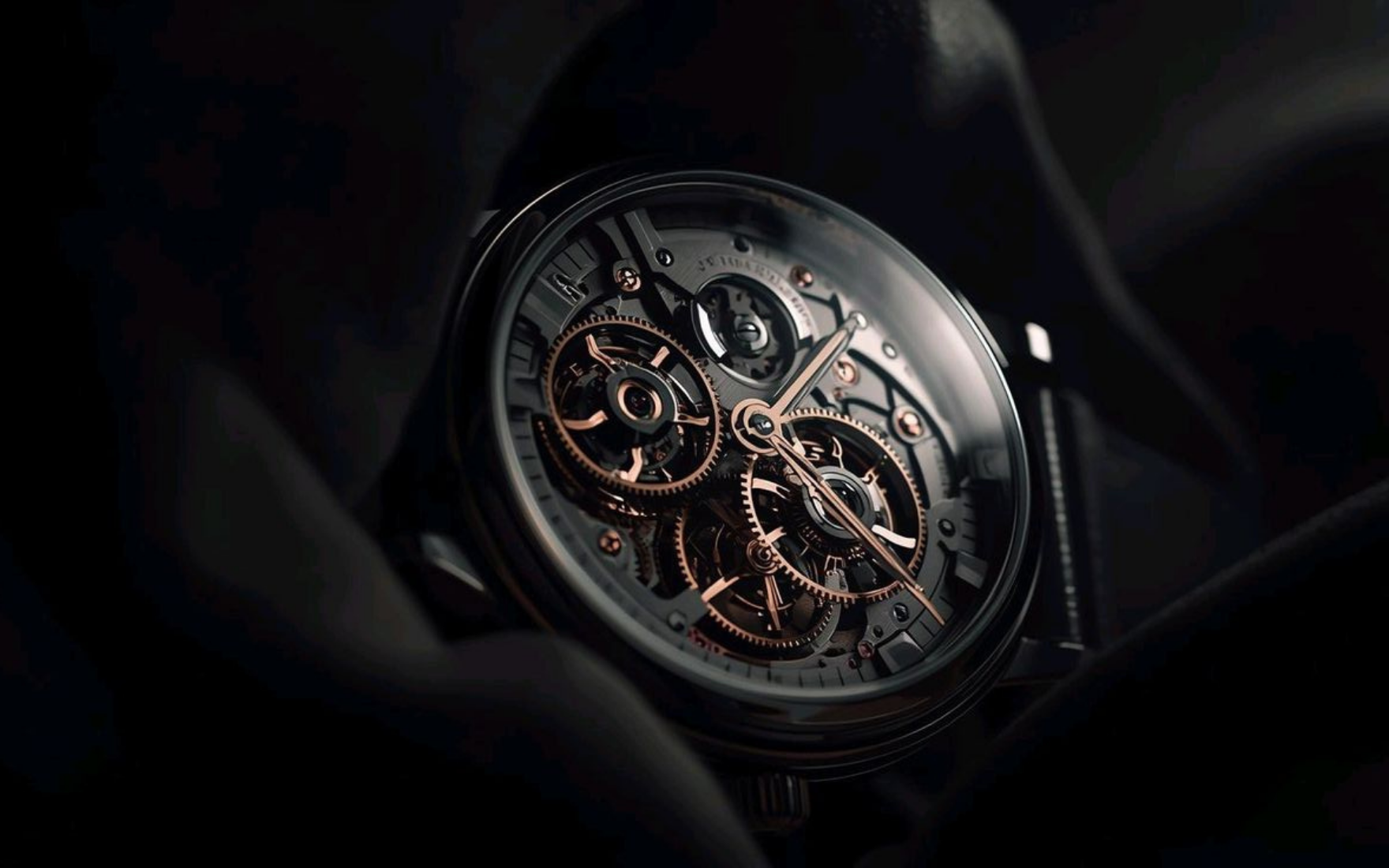
Most luxury watches are powered by mechanical movements rather than batteries. These movements store energy within a mainspring, which gradually releases power through a carefully engineered system of gears and an escapement to regulate time.
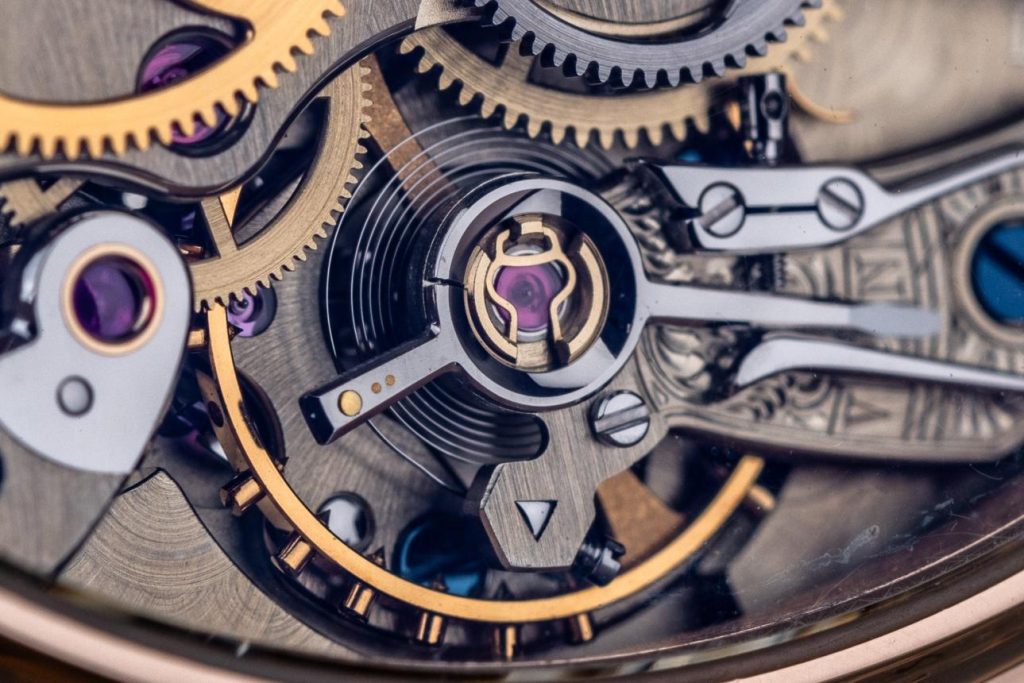
Mechanical watches can consist of hundreds of individual components, all working together with extraordinary precision. Every gear, spring, jewel, and lever plays an important role in ensuring accurate and reliable performance.
While quartz watches are known for their convenience and accuracy, mechanical watches are valued for the craftsmanship and engineering involved in their creation.
The Importance of Craftsmanship
One of the defining characteristics of fine horology is the exceptional level of craftsmanship invested in every timepiece.
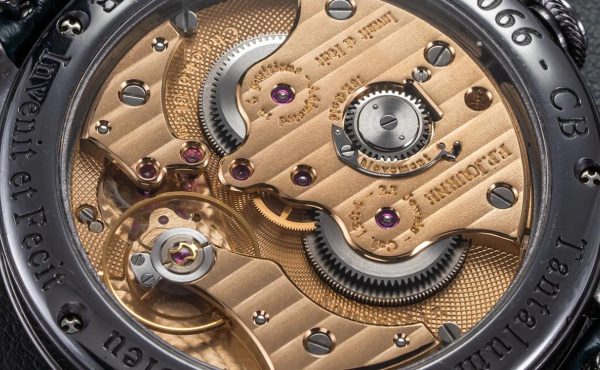
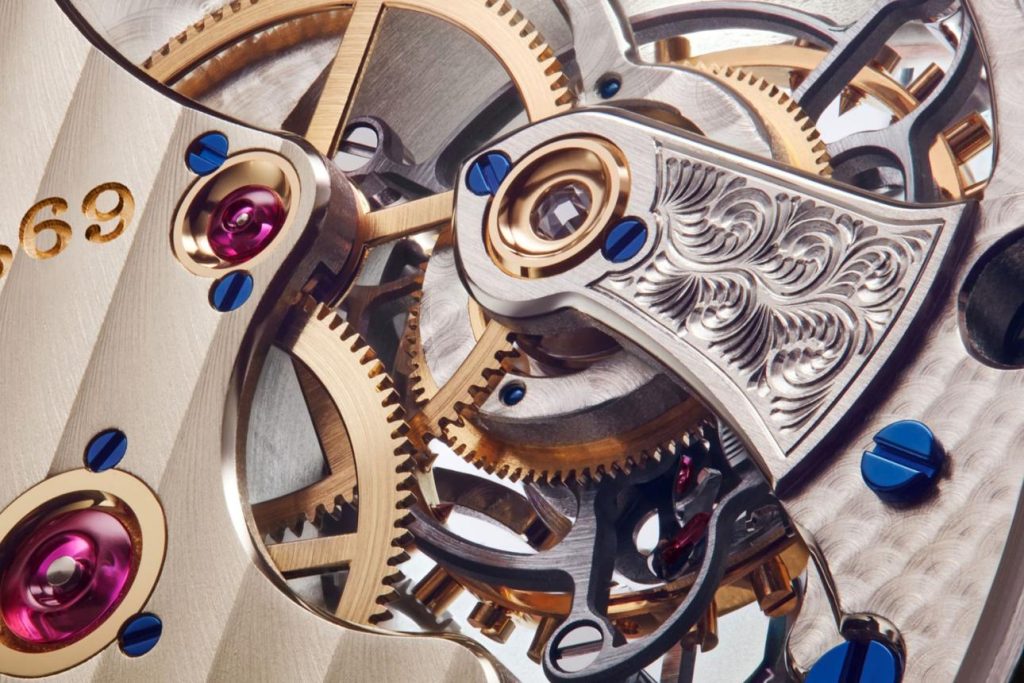
Many luxury watch manufacturers devote significant attention to the finishing of movement components and external parts. Depending on the watch and manufacturer, finishing techniques may include:
- Hand polishing
- Satin brushing
- Circular graining
- Geneva stripes
- Angled edges (anglage)
- Skeletonisation
- Fine engraving
These techniques require considerable skill and contribute to the visual refinement of the watch, particularly when the movement is visible through a sapphire case back.
Precision Engineering
A luxury watch is the result of extensive engineering as well as artistic design.
Every component must be manufactured to extremely precise tolerances to ensure the movement functions reliably over time. From the balance wheel to the escapement, each part is carefully designed to minimise friction and maximise efficiency.
This level of engineering allows many mechanical watches to continue performing reliably for many years when properly maintained and serviced according to the manufacturer’s recommendations.
Heritage and Innovation
Many respected luxury watch manufacturers have long histories of innovation within the watchmaking industry. Throughout their development, these manufacturers have introduced advancements in movement technology, materials, water resistance, and precision while continuing to preserve traditional watchmaking techniques.
This balance between innovation and heritage is one of the defining characteristics of fine horology. Modern manufacturing methods often work alongside traditional hand-finishing techniques to produce watches that combine technical excellence with timeless design.
Why Collectors Appreciate Fine Horology
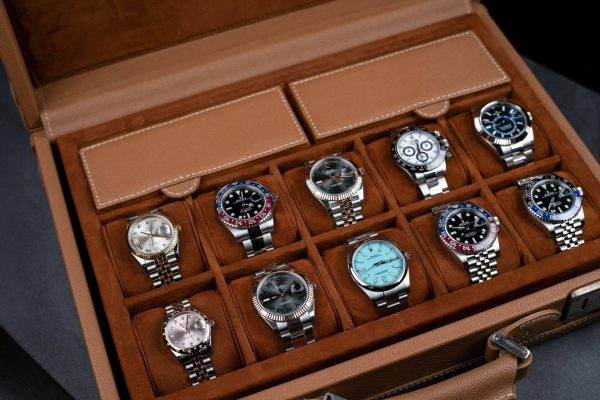
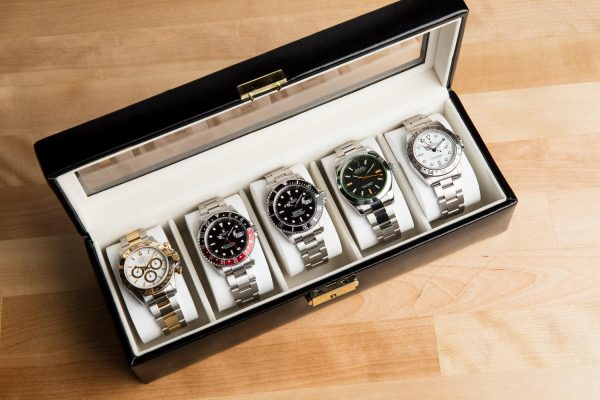
Collectors often appreciate luxury watches for reasons that extend beyond their appearance.
Factors that contribute to a watch’s appeal include:
- Mechanical complexity
- Quality of craftsmanship
- Historical significance
- Design originality
- Brand heritage
- Limited production of certain references
- Long-term durability
Each timepiece represents the work of designers, engineers, and watchmakers whose combined expertise contributes to the finished product.
Learning to Appreciate the Details
As your understanding of fine horology grows, so does your appreciation for the details that distinguish one watch from another.
Features such as movement architecture, finishing quality, dial construction, case proportions, bracelet design, and overall wearability all contribute to the character of a luxury timepiece.
For many enthusiasts, these details become just as important as the name on the dial.
Conclusion
Fine horology is built on precision, craftsmanship, and an enduring commitment to quality. While every luxury watch serves the practical purpose of measuring time, the finest examples also reflect generations of engineering expertise, thoughtful design, and skilled watchmaking.
Understanding these principles allows collectors and enthusiasts to appreciate the remarkable work behind every mechanical timepiece and make more informed decisions when building or expanding a collection.
At The IA Luxury Group, we are committed to offering authentic luxury timepieces that reflect the craftsmanship, heritage, and quality that define fine horology. Every watch in our collection is independently verified and carefully selected to provide confidence and peace of mind to every client.