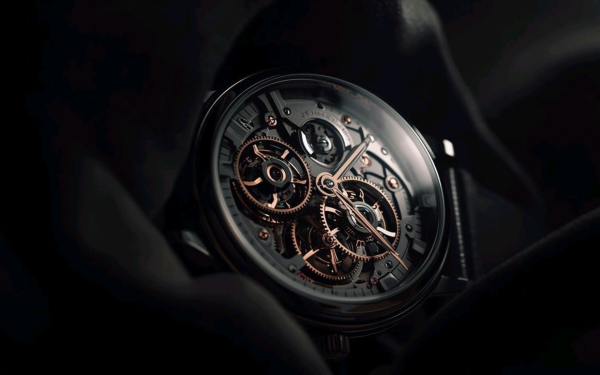






Vintage vs Modern Collecting
Every luxury watch collection tells a unique story, and one of the first decisions many collectors face is whether to focus on vintage or modern timepieces. Both categories offer distinctive characteristics, appeal to different collecting styles, and provide rewarding ownership experiences.
There is no definitive answer as to which is better. The right choice depends on your personal preferences, collecting goals, and appreciation for watchmaking. Understanding the strengths of both vintage and modern watches can help you make informed decisions when building or expanding your collection.
What Is Considered a Vintage Watch?
There is no universally accepted age at which a watch becomes vintage. Within the collecting community, the term generally refers to older watches that are no longer in production and represent a particular period in a manufacturer’s history.
Vintage watches often attract collectors because of their historical significance, distinctive designs, and the opportunity to own references that may no longer be available through authorised retailers.
Each vintage watch also reflects the manufacturing standards, materials, and design language of its era.
What Defines a Modern Watch?
Modern luxury watches benefit from decades of technological advancement while maintaining many of the traditional principles of fine watchmaking.
Today’s watches often feature improvements such as:
- Enhanced movement technology
- Improved materials
- Greater water resistance
- More durable crystals
- Advanced manufacturing tolerances
- Longer recommended service intervals on some models
These developments contribute to reliability while preserving the craftsmanship expected from luxury watch manufacturers.
Design Differences
Vintage and modern watches often differ significantly in appearance.
Vintage models may feature:
- Smaller case sizes
- Acrylic crystals on some references
- Aged dials with natural patina
- Slimmer case profiles
- Design details unique to their production period
Modern watches typically offer:
- Larger case sizes
- Sapphire crystal
- Improved lume performance
- Updated bracelet designs
- Contemporary manufacturing techniques
Neither approach is superior; each reflects the design priorities of its time.
Collectability
Both vintage and modern watches can appeal to collectors for different reasons.
Vintage watches are often appreciated for:
- Historical importance
- Originality
- Scarcity
- Unique character
- Design evolution
Modern watches may attract collectors because of:
- Current production references
- Technical improvements
- Contemporary aesthetics
- Manufacturer warranties on new purchases
- Everyday practicality
Collectability depends on many factors and varies between individual references.
Ownership Considerations
Owning a vintage watch may require additional research before purchase.
Collectors often pay close attention to:
- Original components
- Previous servicing
- Replacement parts
- Overall condition
- Documented history where available
Modern watches generally provide greater consistency regarding specifications and available manufacturer support.
Regardless of age, authenticity and condition remain important considerations.
Servicing and Maintenance
Both vintage and modern mechanical watches require professional servicing.
For vintage watches, replacement parts may be less readily available depending on the model and manufacturer.
Modern watches may benefit from ongoing manufacturer support, although servicing recommendations vary between brands.
Following the manufacturer’s guidance or consulting a qualified watchmaker helps ensure the movement continues to operate as intended.
Which Should You Choose?
The decision ultimately depends on what you value most as a collector.
A vintage watch may appeal if you appreciate:
- Historical significance
- Classic proportions
- Unique character
- Traditional design
A modern watch may be the better choice if you prefer:
- Contemporary engineering
- Improved durability
- Everyday versatility
- Modern materials
Many collectors choose to own both, appreciating the distinctive qualities each brings to a collection.
Building a Balanced Collection
Some of the most interesting collections combine vintage and modern references.
A vintage watch may represent a manufacturer’s heritage, while a modern equivalent demonstrates how that design has evolved through advances in engineering and materials.
Owning examples from different eras allows collectors to appreciate the progression of watchmaking while enjoying the strengths of both categories.
Conclusion
Vintage and modern luxury watches each offer their own unique appeal. While vintage pieces provide a connection to watchmaking history, modern watches benefit from contemporary engineering and manufacturing advancements.
Rather than choosing one over the other, many collectors focus on acquiring timepieces that reflect their personal taste, collecting goals, and appreciation for fine horology.
At The IA Luxury Group, we carefully source authentic luxury timepieces from a variety of eras, helping collectors find watches that suit their individual preferences while maintaining the highest standards of authenticity and quality.