




The Art of Mechanical Watchmaking
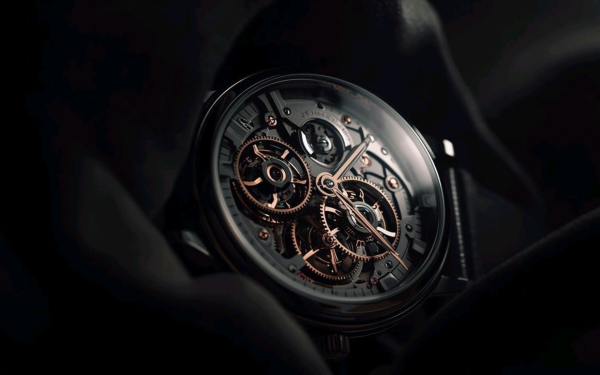
Mechanical watchmaking is one of the oldest surviving forms of precision engineering. Long before electronic technology transformed timekeeping, watchmakers relied on carefully engineered mechanical systems capable of measuring time through nothing more than springs, gears, and meticulous craftsmanship.
Today, mechanical watches remain highly regarded not because they are the simplest way to tell the time, but because they represent generations of technical knowledge, craftsmanship, and dedication to detail. Every mechanical movement reflects countless hours of design, manufacturing, assembly, and testing before it reaches the wrist.
What Is a Mechanical Watch?
Unlike quartz watches, which are powered by a battery, a mechanical watch operates entirely through mechanical energy.
Energy is stored in the mainspring and gradually released through a series of interconnected components that regulate the movement of the hands. This intricate mechanism works continuously without electronic assistance, relying solely on carefully engineered mechanical parts.
Mechanical watches are generally divided into two categories:
- Manual-winding watches, which require the wearer to wind the crown periodically.
- Automatic (self-winding) watches, which use the movement of the wearer’s wrist to wind the mainspring during normal use.
Both systems are admired for their engineering and craftsmanship rather than electronic technology.
Hundreds of Components Working Together
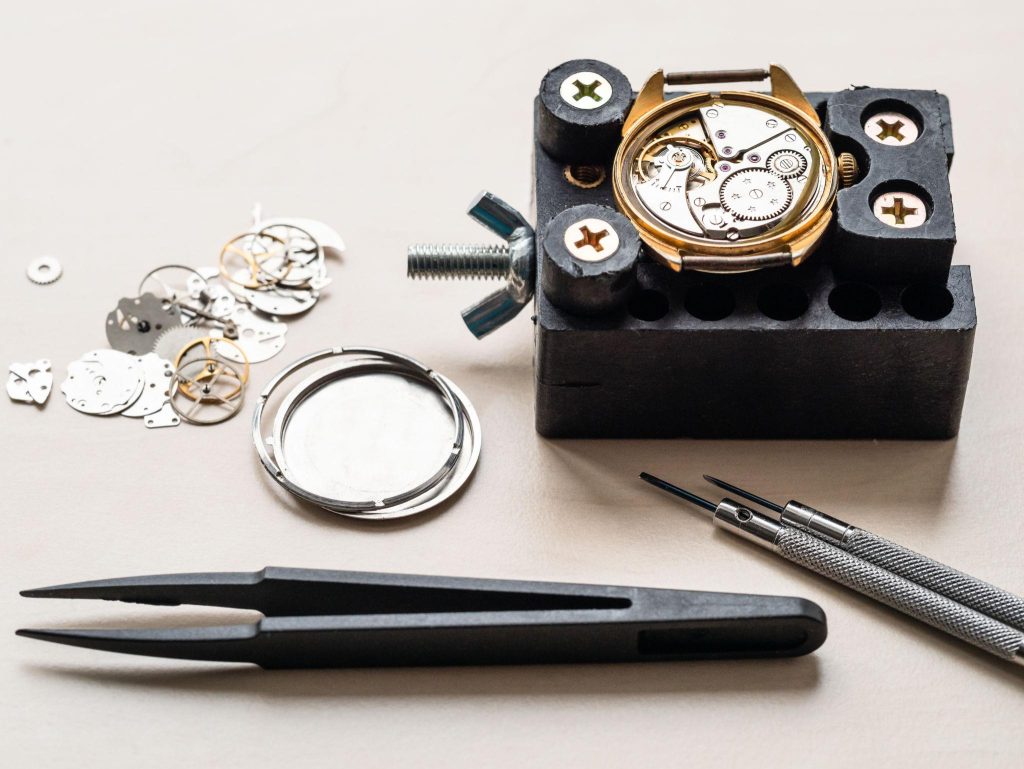
Although compact enough to fit comfortably on the wrist, a mechanical movement can consist of hundreds of individual components.
These may include:
- The mainspring
- Gear train
- Escapement
- Balance wheel
- Jewels
- Bridges
- Screws
- Winding mechanism
Every component performs a specific function. Even the smallest parts must be manufactured to extremely fine tolerances to ensure the movement performs reliably.
The accuracy and longevity of a mechanical watch depend on how precisely these components work together.
The Role of the Escapement
Often described as the heart of a mechanical movement, the escapement regulates how energy is released from the mainspring.
Rather than allowing all stored energy to unwind immediately, the escapement delivers it in controlled intervals, allowing the balance wheel to oscillate consistently and the hands to advance with remarkable precision.
The development of reliable escapement systems has been one of the most significant achievements in the history of watchmaking.
Precision Through Assembly
Manufacturing individual components is only one part of the process.
Each movement must be assembled with exceptional care by trained watchmakers who carefully position, lubricate, adjust, and inspect every component before the watch undergoes testing.
Even minor adjustments can influence the overall performance of a movement, making skilled assembly an essential part of luxury watch production.
Finishing Beyond Function
Mechanical watchmaking extends beyond engineering into craftsmanship.
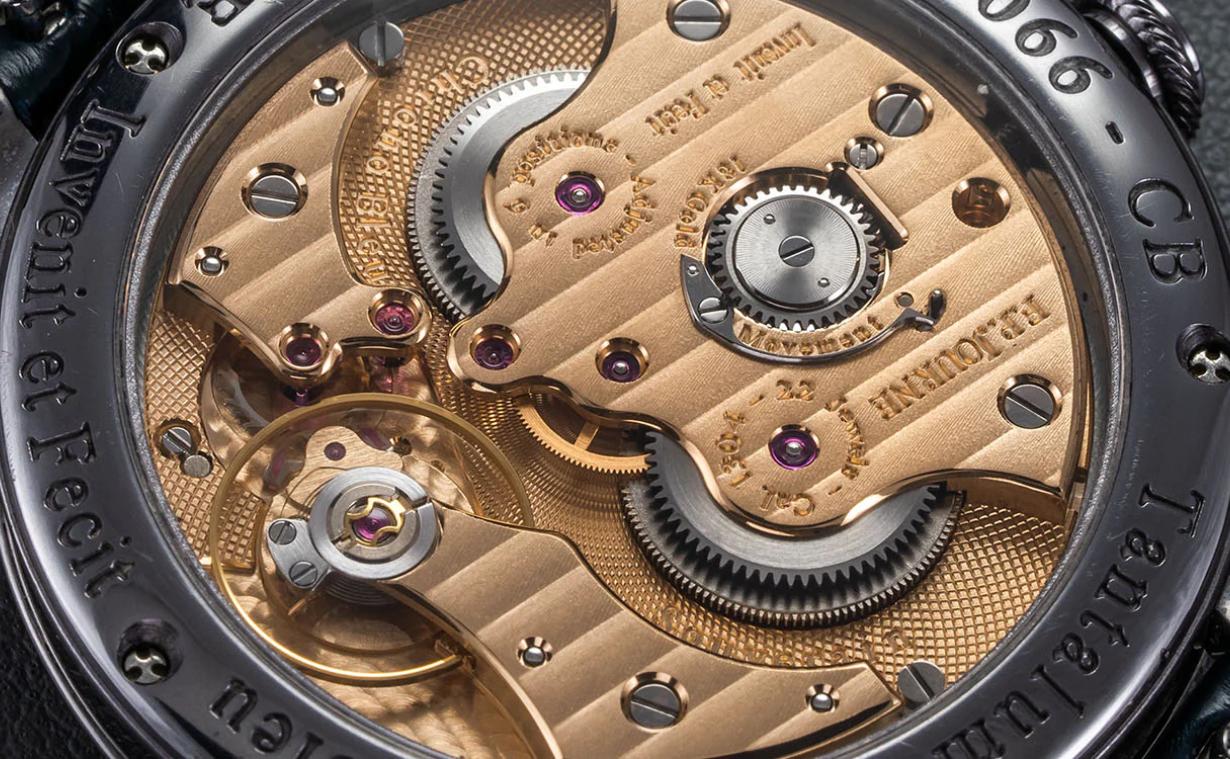
Many luxury movements receive decorative finishing that enhances their appearance while showcasing the expertise of the manufacturer.
Common finishing techniques include:
- Geneva stripes
- Perlage
- Satin brushing
- Polished bevels
- Circular graining
- Heat-blued screws
- Skeletonisation on selected models
These finishes often require specialised equipment or hand-finishing techniques and demonstrate the level of attention given to every detail.
Why Mechanical Watches Continue to Fascinate
Mechanical watches continue to attract collectors because they combine engineering with traditional craftsmanship.
Unlike digital devices designed to be replaced after several years, a properly maintained mechanical watch can be serviced throughout its lifetime. Many enthusiasts also appreciate the visible movement, the smooth sweep of the seconds hand found on many mechanical watches, and the knowledge that every function is powered entirely by mechanical engineering.
For many collectors, owning a mechanical watch is an appreciation of the expertise and history behind its construction as much as the watch itself.
Modern Manufacturing Meets Traditional Craftsmanship
Today’s luxury watch manufacturers combine advanced manufacturing technologies with traditional watchmaking practices.
Computer-controlled machining allows components to be manufactured with extraordinary precision, while experienced watchmakers continue to assemble, regulate, inspect, and finish movements using techniques refined over generations.
This combination of innovation and tradition enables manufacturers to produce movements that meet modern expectations while preserving the heritage of mechanical watchmaking.
Why Mechanical Watchmaking Matters
Understanding how a mechanical watch operates provides a greater appreciation for the complexity hidden beneath the dial.
Every movement represents the combined efforts of engineers, designers, machinists, and watchmakers working together to produce an instrument capable of measuring time using purely mechanical principles.
This remarkable achievement is one of the reasons mechanical watches continue to occupy a unique place within the world of luxury timepieces.
Conclusion
Mechanical watchmaking is a discipline built on precision, patience, and craftsmanship. While modern technology has transformed many aspects of everyday life, the appeal of a finely engineered mechanical watch remains unchanged.
Its intricate movement, careful assembly, and enduring design continue to inspire collectors and enthusiasts who appreciate the remarkable skill required to create every luxury timepiece.
At The IA Luxury Group, we value the artistry and engineering behind fine mechanical watches. Every timepiece in our collection reflects the standards of craftsmanship, authenticity, and quality that continue to define luxury watchmaking today.